
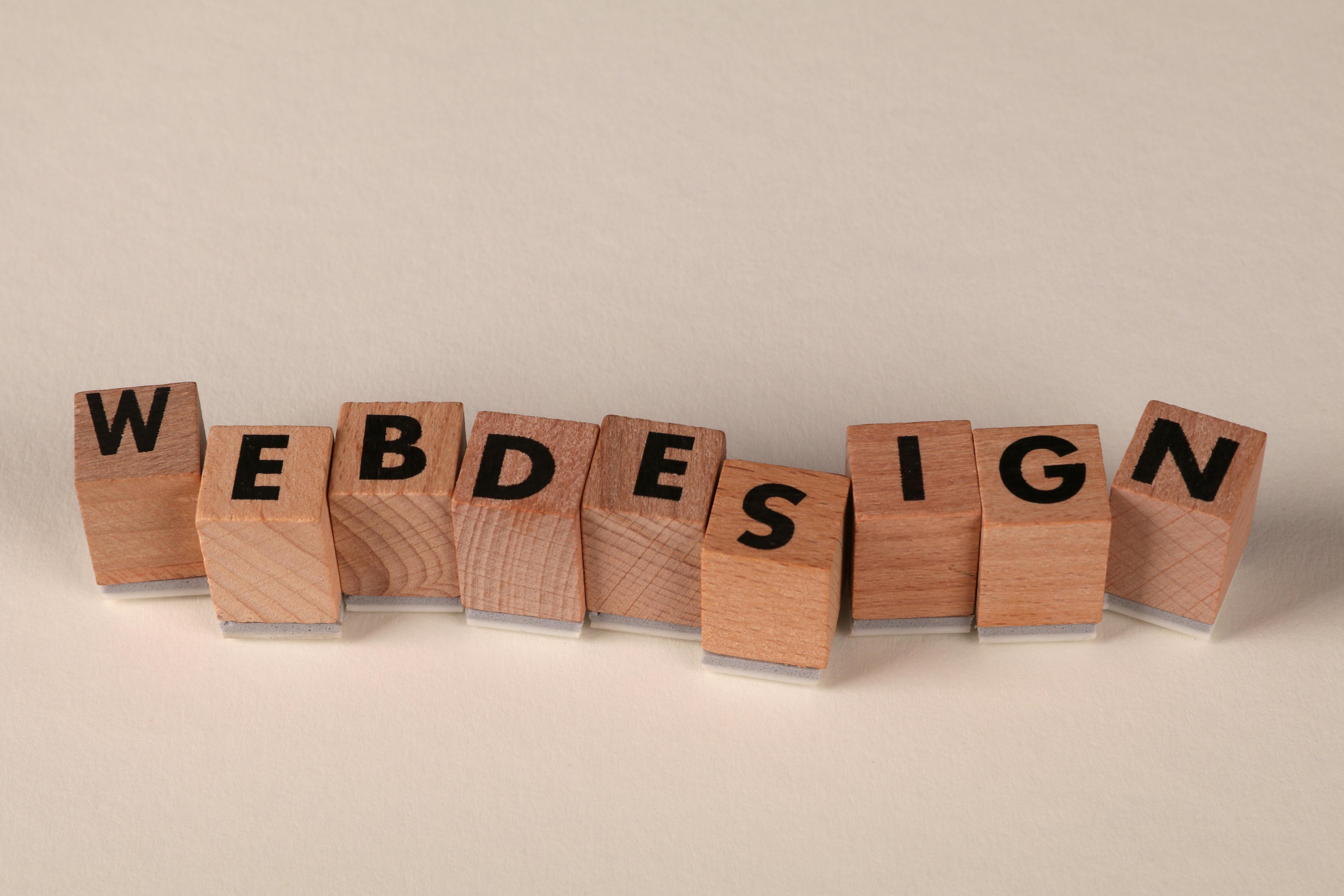
When I visit a website for the first time, I make a judgment before I read anything. That may sound unfair, but it is how most people behave online. The graphics, colors, photos, buttons, spacing, and style tell me whether a business feels professional or questionable. Before a customer calls, buys, books, or fills out a form, the website has made a first impression.
Website graphics matter because trust starts visually. If a site looks outdated, cluttered, blurry, or thrown together, I start wondering what else the business ignores. Maybe the service is fine. Maybe the product is great. But online, people do not have much patience for “maybe.” They see stretched images, mismatched colors, tiny text, and low-quality logos, then leave.
Good graphics help a business look real. Clean photos, sharp logos, consistent colors, and professional icons can make a small business feel established. Simple graphics often work better. I would rather see a clean layout with clear images than a website packed with animations, stock photos, and flashing buttons.
The graphics on a website also guide people toward action. A strong homepage image can show what the business does immediately. A clear service graphic can explain an offer faster than a long paragraph. A well-designed button can make it obvious where to click next. If the graphics are confusing, customers may not know what to do. They should not solve a digital treasure hunt just to request a quote.
Trust also grows when the visuals match the message. If a company says it offers premium service, the website should look polished. If a brand is friendly and local, the graphics should feel warm and approachable. If a business serves families, the visuals should feel welcoming and clear. The wrong graphics create doubt. A luxury brand with cheap-looking images feels suspicious.
Photos are especially important. Real photos of products, team members, work examples, or the business location can build confidence. Stock photos are not always bad, but they should feel natural and relevant. When every image looks like five strangers pointing at a laptop, I start preparing to close the tab. Customers want to know there are real people behind a business.
Graphics also affect sales because they influence how easy a website is to use. Clear product images help shoppers feel more confident. Comparison graphics help people understand choices. Clean icons can organize features. Banners can highlight specials or important services. When visuals make information easier to understand, customers are more likely to stay longer and take action.
Consistency is another major part of this. If the homepage, service pages, social media graphics, and ads all use the same colors and style, the brand becomes easier to recognize. Recognition builds comfort, and comfort can lead to sales. People often buy from businesses that feel familiar.
I also believe website graphics can reduce hesitation. A professional design tells customers that the business cares about details. Testimonials with clean layouts, trust badges, before-and-after images, portfolio samples, and clear call-to-action graphics all help remove doubt. They answer quiet questions people have before buying: Is this business legitimate? Do they know what they are doing?
In the end, website graphics are not just decoration. They are part of the sales process. They shape first impressions, explain value, guide attention, and build confidence. A website does not need to be perfect, but it should look intentional, clear, and trustworthy. When the visuals work well, visitors feel more comfortable taking the next step. Getting strangers online to trust anything is a small miracle, so the graphics might as well help.